
Linked components
Weakness in one nullifies investment in the others.
Medical-tourism agency service
The growth system has five components: market choice, trust structure, visibility, enquiry flow and measurement. If one is weak, investment in the others produces nothing. A system view makes it possible to point the budget at the weakest one.
Most institutions invest in a single component — usually visibility. When the others stay weak, added traffic turns into added disappointment rather than added enquiries.
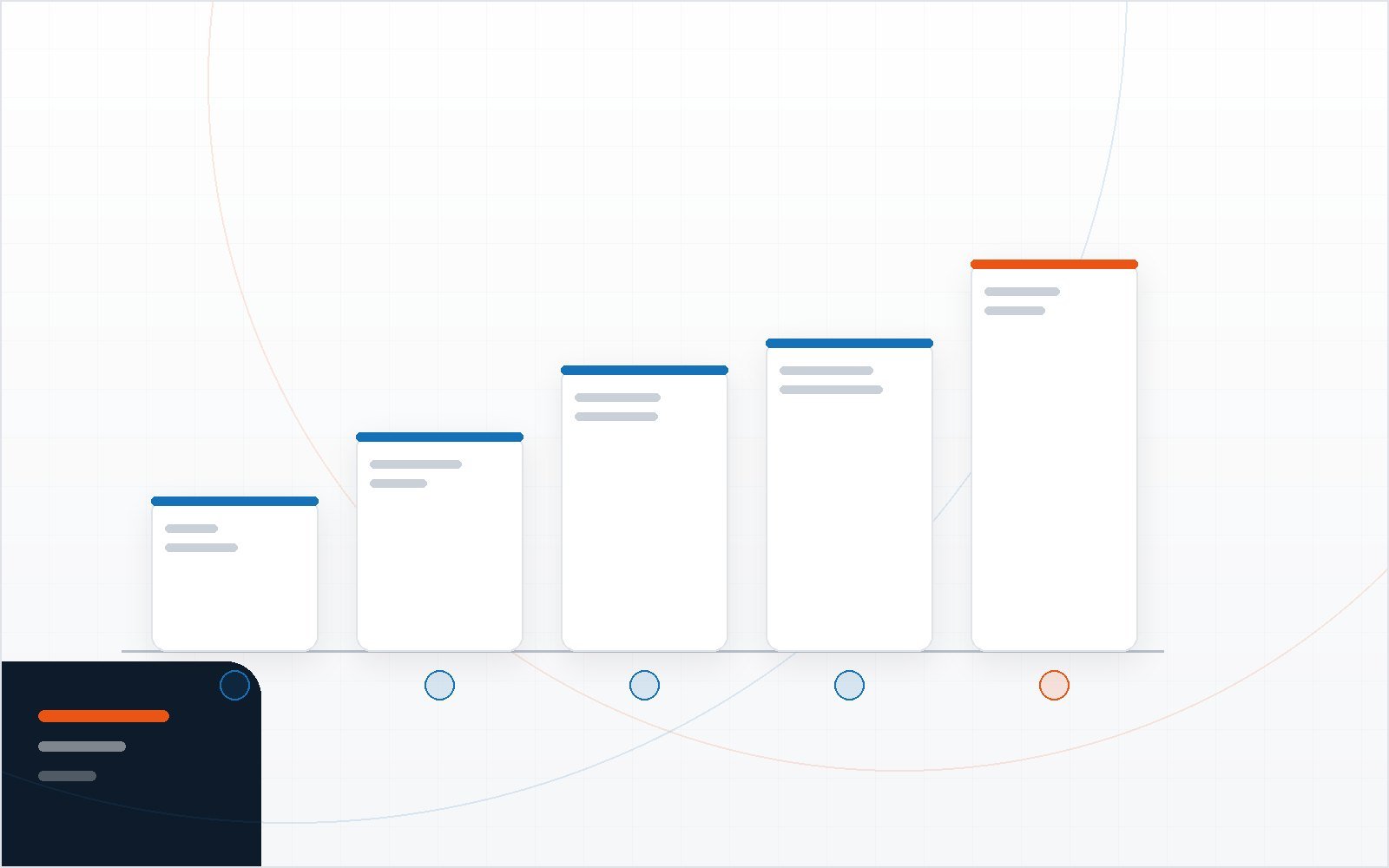
Raise visibility and enquiries rise; rising enquiries test answering capacity. If the answer is inadequate the visibility investment does harm, because a patient left unanswered leaves with a negative impression.
Similarly, where the trust structure is weak, visitors leave without enquiring. Buying more traffic in that state is pouring more water into a leaking container.
The practical value of the system view is answering one question: where should today's budget go? The answer comes from measuring the components one by one.
Simple indicators do the job: visitor count, enquiry rate, first-response time, qualified-enquiry rate and appointment conversion. Those five numbers point directly at the weak component.
Five components and their measures
Weakness in one nullifies investment in the others.
Five simple indicators point directly at the weak component.
The system view sends spend to the weakest link.
Working sequence
Baseline indicators measured for all five components.
The lowest-performing component and its cause identified.
Resource directed at the identified component.
The same indicators read again after the intervention.
The chain is reassessed and the next priority set.
Frequently asked questions
If resources allow, yes, but it is inefficient. Investment in the others returns little until the weak component is fixed.
In our experience the enquiry flow and the trust structure. Most institutions invest in visibility and neglect those two.
No. The five core indicators can be tracked with existing tools and a simple table. Complex infrastructure becomes meaningful after definitions settle.
Quarterly is enough. Looking more often leads to misreading the effect of changes that have not yet settled.
Yes. The components are the same; only scale and tooling change. In smaller institutions the weak component is usually more obvious.
Each component maps to one or more service headings. Which service activates depends on the weak component identified.
Next step
Share your current indicators and we will read the system together.