
One voice, many specialties
A shared institutional frame with specialty sub-narratives that do not undercut it.
Medical-tourism agency service
In hospitals the core problem is not a lack of visibility but fragmentation. Where every department runs its own promotion and the international patient unit is unaware of it, patients meet five different promises and three different response times. The work reduces that to one institutional voice.
In a multi-specialty hospital, cardiology, orthopaedics and aesthetics sit under one roof yet address entirely different patient profiles. Without a shared frame that variety produces chaos rather than strength.
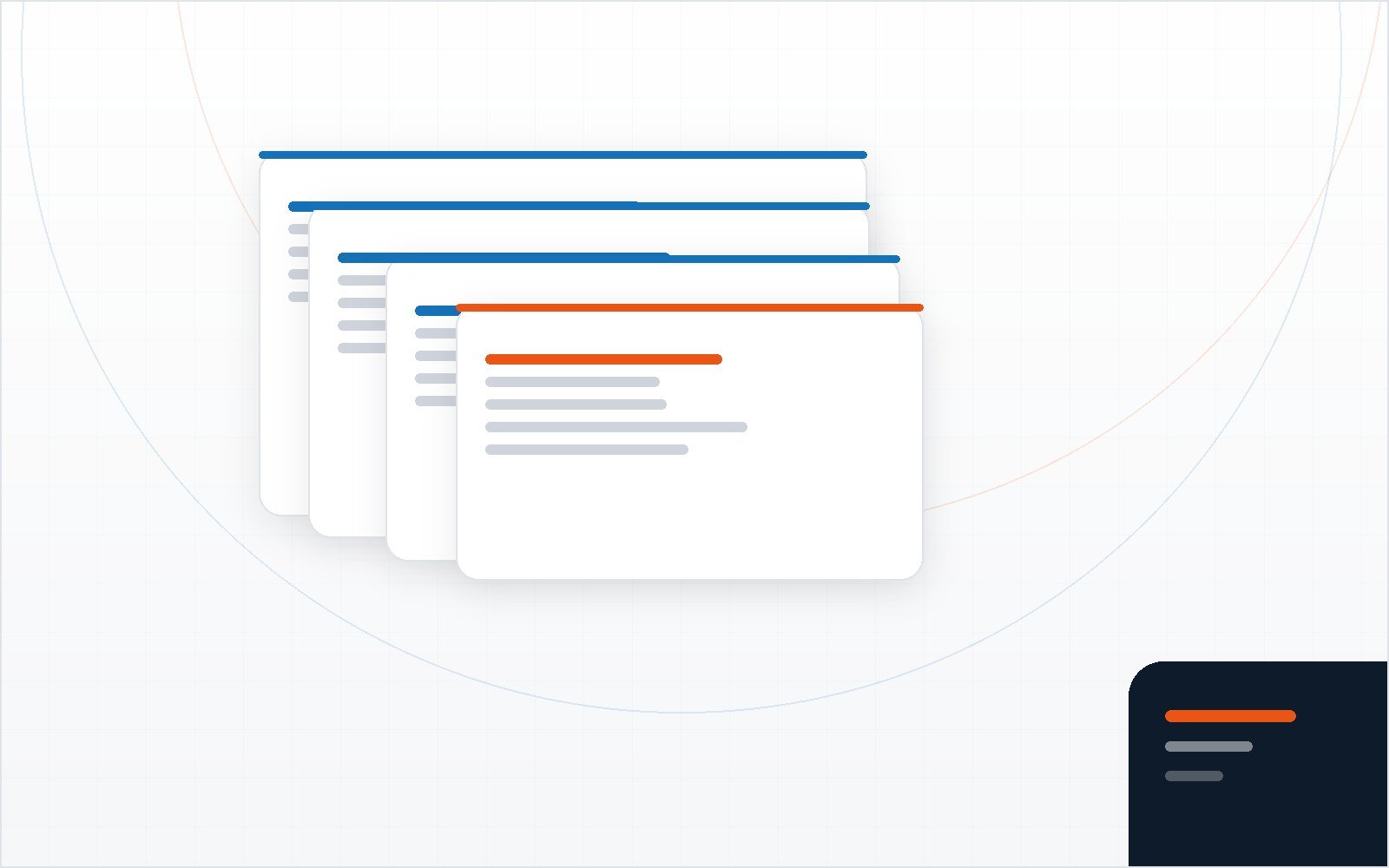
The workable model builds specialty-level sub-narratives under a single institutional roof. Identity, trust elements, process standards and communication commitments are shared; treatment information, patient profile and decision horizon are specialty-specific.
Without that separation one of two extremes follows: every department communicates alone and the institutional voice disappears, or a single corporate narrative is used and no specialty reaches its own patient.
Regulation requires a health-tourism unit meeting diploma and foreign-language conditions. That unit exists in most hospitals but sits at the end of the communication chain: marketing produces, the unit receives what arrives.
The correct arrangement inverts it. The unit knows which questions arrive and where the flow stalls; content priority and language planning should be fed from there.
What we build in hospitals
A shared institutional frame with specialty sub-narratives that do not undercut it.
Content priority comes from the international patient unit's real question list.
Intensive care, laboratory and multidisciplinary structure are verifiable trust elements.
Working sequence
Specialties with international patient potential and their current content are listed.
Institutional identity, trust elements and communication commitments written once.
A page structure on the same skeleton, populated with each specialty's own information.
All enquiries land in one pool and route by rule to the right specialty.
Measurement read at institution level with specialty breakdown as detail.
Frequently asked questions
Technically yes, but we advise against it. Scattered accounts weaken the institutional voice and make regulatory oversight impractical. A specialty content calendar under one account is more manageable.
One with an international case history, suitable capacity and language support in the team. Demand size alone is not a sufficient criterion.
For content depth and capacity narrative, yes. For decision speed and approval processes it can be a disadvantage, which is why we define the approval flow up front.
Participation adds high value but is not mandatory. The most time-efficient model is for the team to draft and the physician to review.
Framework work does not clash with execution; it improves brief quality. We write the split of roles at the outset.
The effect of structural change typically becomes readable in enquiry quality within three to six months. We do not make numerical commitments.
Next step
Share your specialties and current content structure and we will build the roof framework together.