
Experience first
Reputation is built by fixing touchpoints, not by managing reviews.
Medical-tourism agency service
Reputation is built by fixing the experience, not by collecting reviews. The work examines every point where a patient touches the institution — from the first message to post-return contact — and makes the friction visible. Review handling sits on top of that ground and inside regulatory limits.
For an international patient the experience does not begin on the operating table. How many hours a message takes to answer, who meets them at the airport, whether the invoice is comprehensible and whether anyone is reachable after they fly home are discussed as much as the clinical result.
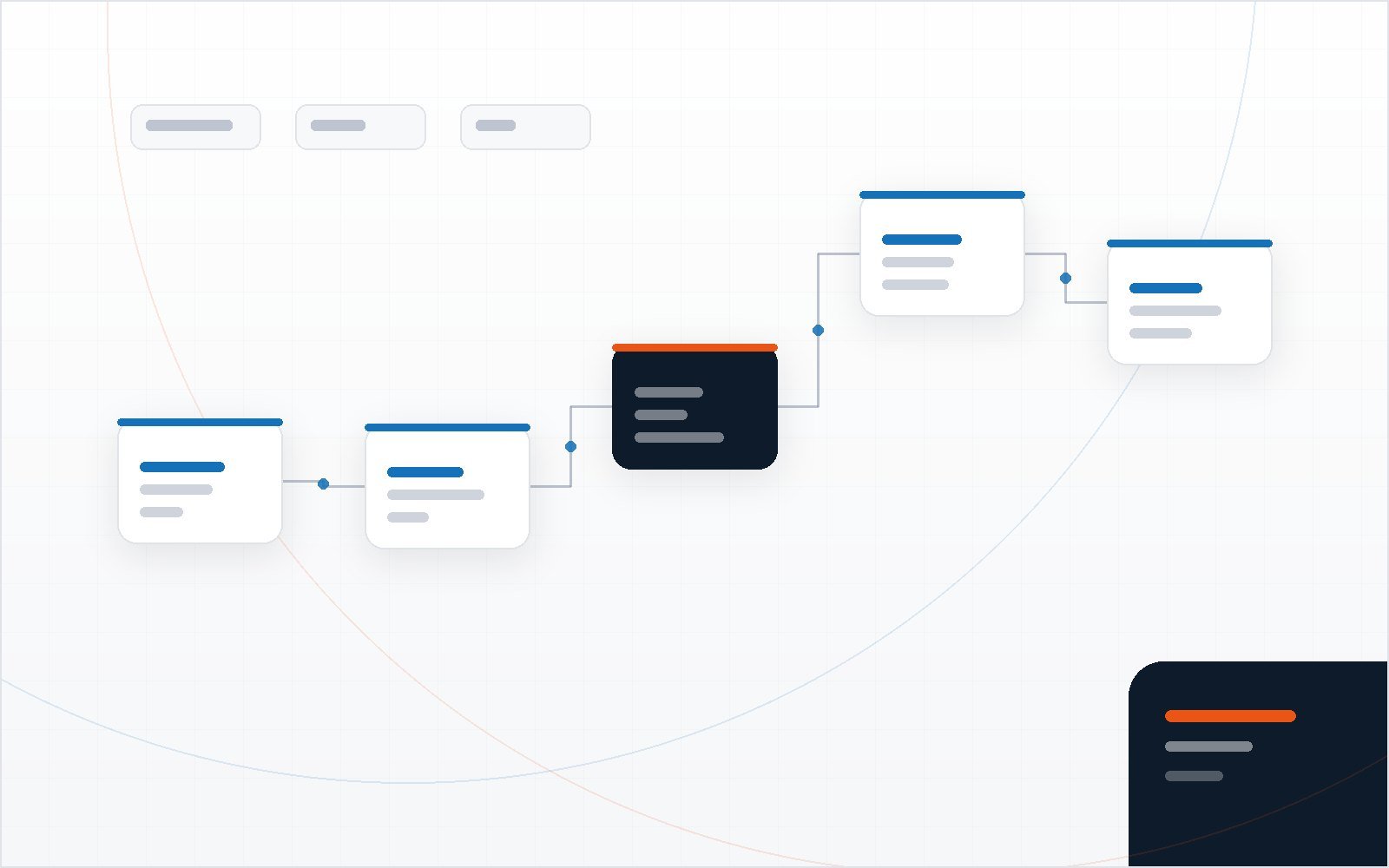
The work splits the patient journey into fifteen to twenty touchpoints and assesses each with three questions: what does the patient expect here, what does the institution deliver, and who is responsible in between. Friction usually appears in the responsibility gaps.
The three most common friction points: delayed replies to out-of-hours messages, price information given in vague instalments, and communication ending entirely after return. All three are operational; none is solved by a marketing budget.
Because the promotion regulation restricts patient-satisfaction content, review collection and use must be reassessed. Our approach is to treat a review as an improvement input rather than a marketing asset.
The same limits apply when responding to negative feedback: do not confirm patient details, do not discuss treatment specifics, do not run the process on a public channel. The reply stays short, respectful and moves the exchange to a private channel.
What we build on the reputation side
Reputation is built by fixing touchpoints, not by managing reviews.
Patient details are never confirmed; the exchange moves to a private channel.
Institutional data kept current and identical across every platform.
Working sequence
Touchpoints listed and assessed on expectation, delivery and ownership.
Steps producing delay, ambiguity or disconnection are prioritised.
Each friction point gets an owner, a fix and a criterion.
A compliant flow written for feedback and review replies.
Experience indicators measured periodically and the plan updated.
Frequently asked questions
Collecting a review and using it for marketing are different matters. Collection for internal improvement is possible; public promotional use needs your legal function's assessment under the promotion regulation.
Short, respectful and directing to a private channel. Do not confirm the person is a patient, do not enter treatment detail, do not defend. Breaking those three rules escalates the situation.
Not alone. Most of the output lands in operations. The agency's role is to make friction visible and fix the communication-side steps.
First-response time, stage transition rates, loss reasons and collected feedback read together. We prefer behavioural indicators over a single satisfaction score.
We prepare a basic protocol: who speaks, which channel is used, what information is never shared. Legal crisis management is outside our scope.
Mapping and analysis take three to five weeks. Implementing improvements depends on the institution's operational pace and can run longer.
Next step
Share your patient journey and we will surface the friction points together.