
Calendared checks
Backup, update and certificate checks are bound to a calendar.
Medical-tourism agency service
Hosting and maintenance keeps a site working after launch: regular backups, updates, security-header audits, certificate tracking and a defined response when an outage occurs. In medical tourism an outage is not only lost traffic — it is the loss of whoever was about to make an enquiry — so response time is committed in writing.
A healthcare institution's site being unreachable is not only a technical problem; it is lost patients and lost trust. Most outages, moreover, come from causes that were visible in advance.
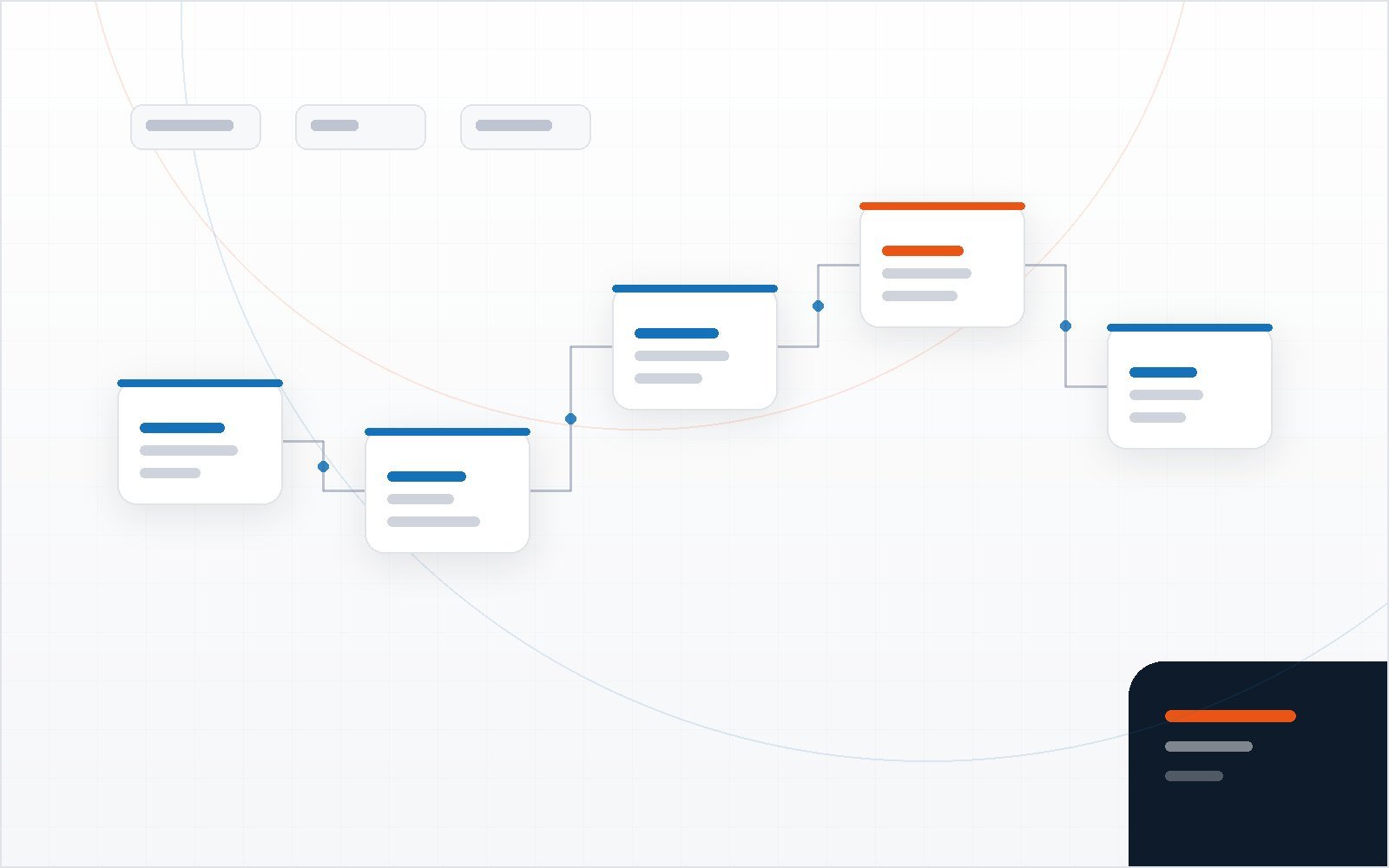
The three situations we meet most often: an SSL certificate about to expire, plugins not updated for months, and backups that have never been tested. All three stay invisible until something breaks.
Maintenance exists to remove that invisibility. Checks go on a calendar, results are reported and the response threshold is written in advance.
Taking a backup is not enough; it must be verified as restorable. Without a periodic restore drill, whether the backup works is only discovered during a crisis.
A periodic restore test is therefore part of the maintenance scope, and its result is shared in writing.
Checks within maintenance
On a site where patient contact details pass through a form, security is not merely a technical preference but part of the data protection obligation. Transport encryption, access rights and logging are configured accordingly.
Where form data rests and who can reach it is recorded, and that record has to agree with your privacy notice.
Backup, update and certificate checks are bound to a calendar.
A backup without a restore drill does not count as a backup.
Where form data passes, security is part of compliance.
Working sequence
Server, domain, certificate and dependencies are listed.
Out-of-date components and missing headers are surfaced.
Frequency, retention and restore testing are defined.
Outage and certificate monitoring set up; response threshold written.
Checks performed and remaining risks are reported.
Frequently asked questions
No. Maintenance can run on your existing provider. A change is only recommended where the provider cannot meet the technical requirements.
Response time is defined in writing in the contract. For provider-side infrastructure outages, the timeline sits with the provider.
In an access-restricted environment independent of the server. Retention period and access rights are set in writing during setup.
Less, but yes: certificate renewal, security headers, broken links and redirects still need tracking on static sites.
Updates are applied on a copy environment first and moved live once verified. If a problem appears, the backup is restored.
Transport encryption, access rights and logging are configured. Where form data rests is recorded, and it must agree with your privacy notice.
Next step
Share your current infrastructure and we will begin with a risk scan.